- IoT-Geräte
- 309 views

The Internet of Things (IoT) is one of the key technologies driving digital transformation today. More and more devices are connecting autonomously, collecting real-time data, and enabling automated processes in buildings, industries, cities, and agriculture. One of the most important communication technologies in this field is LoRaWAN, which provides long-range, low-power wireless connectivity specifically designed for IoT applications.
IoT systems make it possible to monitor and control processes intelligently – from temperature tracking and energy optimization to machine monitoring and smart city infrastructure. With modern LoRaWAN gateways, even large-scale areas can be connected reliably and cost-effectively.
What Are IoT Devices?
IoT devices are electronic systems capable of collecting, sending, or receiving data. They communicate via wireless technologies such as Wi-Fi, Bluetooth, or LoRaWAN, enabling automation and centralized monitoring.
Typical IoT devices include:
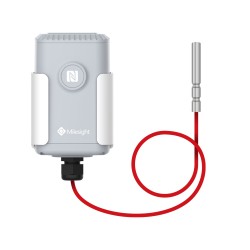
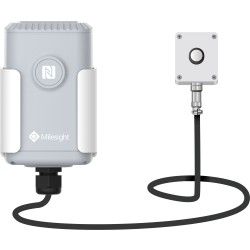
- Temperature and humidity sensors
- Motion detectors
- Energy and power meters
- GPS trackers
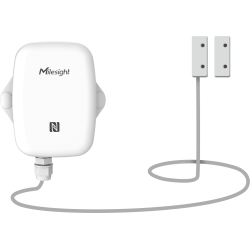
- Door and window sensors
- Weather stations
- Water level sensors
- Air quality sensors
- Industrial monitoring sensors
- Smart home devices
These devices are used across almost every sector – from residential smart homes to large industrial and infrastructure projects.
LoRaWAN – The Ideal IoT Communication Technology
LoRaWAN (Long Range Wide Area Network) is specifically designed for IoT applications. Compared to traditional Wi-Fi networks, it offers significant advantages:
- Very long transmission range
- Extremely low power consumption
- Long battery lifetime for sensors
- High network stability
- Support for large numbers of devices
- Cost-efficient infrastructure
- Suitable for indoor and outdoor deployments
LoRaWAN is especially valuable in applications where sensors must operate for years without maintenance or battery replacement.
LoRa Gateways – The Core of IoT Networks
A LoRa gateway acts as the central communication bridge between IoT devices and the network or cloud platform. It collects data from multiple sensors and forwards it via Ethernet, Wi-Fi, or cellular connectivity.
Modern LoRaWAN gateways typically support:
- Multiple simultaneous LoRa channels
- PoE (Power over Ethernet)
- LTE / 4G connectivity
- Wi-Fi integration
- Cloud platform connectivity
- Indoor and outdoor deployment
- High scalability
Depending on the use case, different types of gateways are used for residential, commercial, or industrial environments.
Milesight – Professional IoT and LoRaWAN Solutions
Milesight is one of the leading manufacturers in the IoT and LoRaWAN market. Their devices are known for reliability, performance, and flexible deployment options.
Milesight UG65 – High-Performance Industrial Gateway
The Milesight UG65 is designed for professional IoT deployments in industrial environments, smart buildings, and enterprise applications. It supports multiple LoRa channels and ensures stable long-range communication.
Key benefits:
- Long communication range
- PoE support
- Built-in Wi-Fi
- Robust industrial-grade housing
- Suitable for indoor and semi-outdoor use
- Ideal for large sensor networks
Typical applications:
- Building automation
- Industrial monitoring
- Warehousing
- Energy management
- Environmental monitoring
- Agriculture
Milesight UG63 – Compact Gateway for Smaller Installations
The Milesight UG63 is a compact LoRaWAN gateway designed for smaller-scale IoT projects or indoor environments. Despite its size, it offers professional-grade networking capabilities.
Best suited for:
- Offices
- Residential buildings
- Retail environments
- Small businesses
- Smart offices
- Technical rooms
Its compact design allows flexible installation in almost any environment.
Milesight UG67 – Outdoor Gateway for Harsh Environments
The Milesight UG67 is built for demanding outdoor IoT applications. Its rugged, weatherproof design makes it suitable for large-scale deployments in exposed environments.
Key features:
- IP67 weatherproof housing
- LTE and Wi-Fi support
- GPS functionality
- High transmission range
- Designed for extreme conditions
Use cases:
- Smart cities
- Agriculture
- Parking management
- Traffic monitoring
- Water infrastructure
- Energy distribution systems
DRAGINO – Flexible and Cost-Effective IoT Gateways
DRAGINO offers versatile LoRaWAN gateway solutions widely used in small to medium-scale IoT deployments. The devices are popular among developers and system integrators due to their flexibility and affordability.
Common models include:
- LG308N
- LPS8v2
- DLOS8N
- LG01v2
Typical applications:
- Private LoRa networks
- Small business deployments
- IoT prototyping
- Smart home systems
- Sensor networks
Many DRAGINO gateways also support LTE/4G connectivity for remote installations.
MikroTik – Networking Meets IoT
MikroTik is widely known for networking equipment and has expanded into IoT and LoRaWAN solutions. Their devices often combine routing, LTE connectivity, and LoRa functionality in a single platform.
Popular models include:
- MikroTik KNOT IoT Gateway
- MikroTik LtAP LoRa LTE Kit
- MikroTik wAP LR2 Kit
These devices are commonly used for:
- Mobile deployments
- Vehicles
- Construction sites
- Remote locations
- Temporary networks
RAK Wireless – Developer and Professional IoT Solutions
RAK Wireless is particularly popular among developers and professional IoT integrators. Their devices are highly flexible and suitable for custom IoT deployments.
RAK7246 – Developer Gateway for IoT Projects
The RAK7246 is based on Raspberry Pi architecture and is ideal for:
- Development
- Research
- Prototyping
- Testing environments
- Training and education
- IoT labs
It supports multiple LoRa channels and offers flexible customization options.
RAK7289 – Professional Outdoor Gateway
The RAK7289 WisGate Edge Pro is designed for large-scale outdoor IoT deployments.
Key advantages:
- LTE connectivity
- Wi-Fi and Ethernet support
- Rugged outdoor housing
- Solar power compatibility
- High coverage range
- Industrial-grade reliability
Applications:
- Smart cities
- Industrial sites
- Environmental monitoring
- Traffic systems
- Agriculture
- Energy infrastructure
Typical IoT Application Areas
Smart Buildings
IoT technology enables intelligent building management through sensors that monitor:
- Temperature
- Air quality
- Occupancy
- Energy consumption
- Lighting
- Security systems
This allows automated control of heating, ventilation, and lighting systems for improved efficiency.
Industry 4.0
In industrial environments, IoT devices support:
- Machine monitoring
- Predictive maintenance
- Production optimization
- Alarm systems
- Energy management
- Fault detection
This helps reduce downtime and operational costs.
Agriculture
LoRaWAN plays a major role in modern agriculture by enabling:
- Soil moisture monitoring
- Weather tracking
- Irrigation control
- Tank level monitoring
- Livestock tracking
- Temperature monitoring
Its long range makes it ideal for large agricultural areas.
Smart Cities
Cities increasingly rely on IoT solutions for:
- Parking sensors
- Traffic optimization
- Environmental monitoring
- Smart lighting
- Waste management
- Water infrastructure monitoring
These systems improve sustainability, efficiency, and urban quality of life.
Benefits of Modern IoT Infrastructure
Organizations benefit in many ways:
- Automated processes
- Real-time data insights
- Reduced maintenance costs
- Lower operational expenses
- Higher energy efficiency
- Scalable systems
- Early fault detection
- Centralized monitoring
LoRaWAN in particular enables long-range, low-cost, and energy-efficient IoT networking.
Conclusion
IoT devices and LoRaWAN gateways form the foundation of modern connected infrastructure. Manufacturers such as Milesight, DRAGINO, MikroTik, and RAK Wireless provide powerful and flexible solutions for a wide range of applications – from small smart home setups to large industrial and smart city deployments.
With IoT technology, organizations can automate processes, analyze data in real time, and significantly improve efficiency. LoRaWAN enables scalable, reliable, and future-proof networks that support the ongoing digital transformation across industries.
Related products